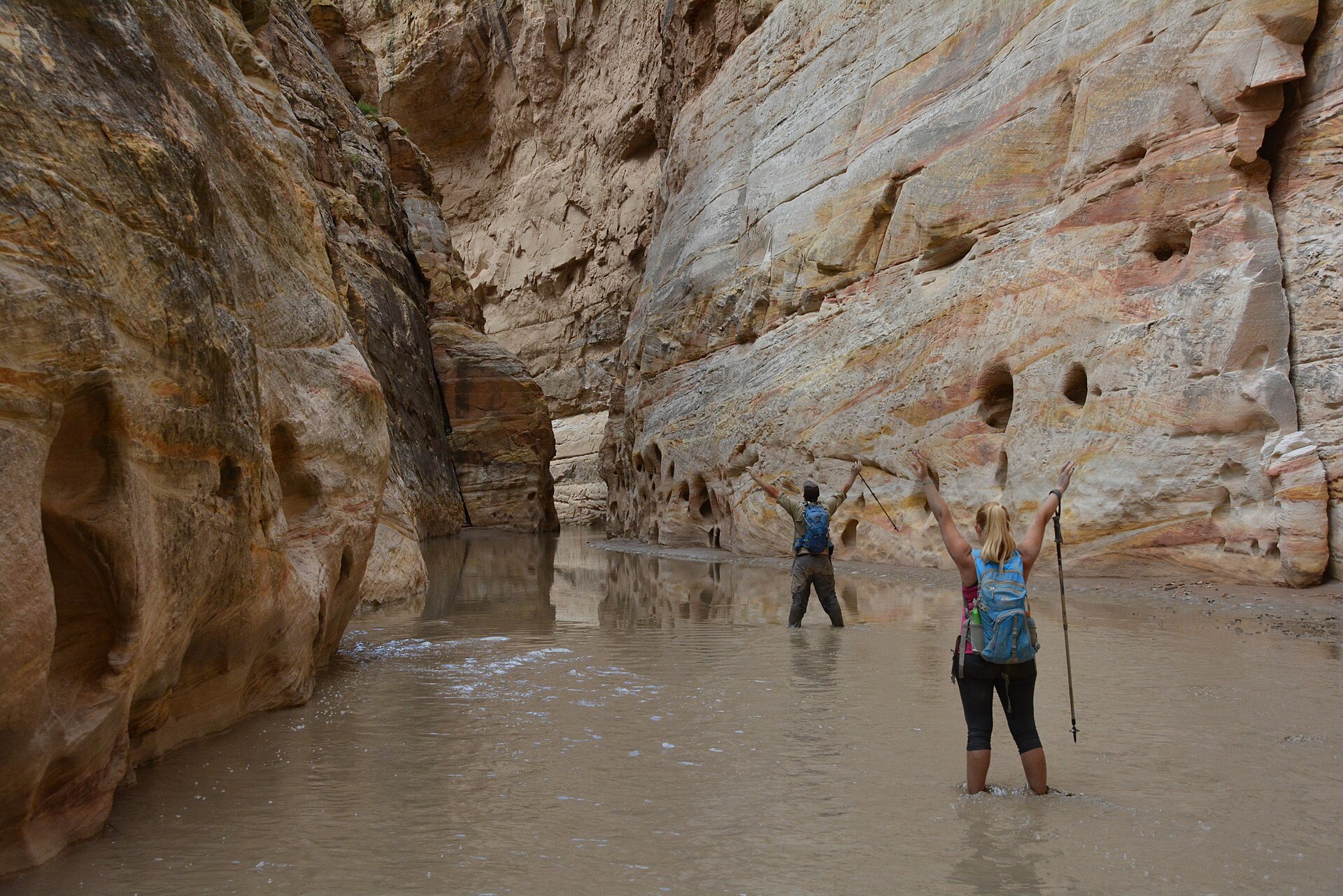

Discover the Untamed Beauty of Lesser-Known Canyons
When most people think of canyon adventures, iconic destinations like the Grand Canyon or Bryce Canyon immediately come to mind. But beyond the well-trodden paths lie hidden wonders—remote canyons that few have heard of, yet offer unmatched serenity and raw beauty. These off-the-map locations invite the curious and the courageous to explore their secrets.
Why Venture Off the Beaten Path?
Exploring lesser-known canyons isn’t just about avoiding crowds. It’s about connecting with nature in its purest form. These hidden gems offer:
- Solitude and silence far from tourist hotspots
- Unique geological formations and wildlife
- Authentic adventure with a sense of discovery
For hikers and campers yearning for something different, these canyons are a dream come true.
Top Hidden Canyons to Explore
1. Buckskin Gulch, Utah
Often overshadowed by nearby national parks, Buckskin Gulch is one of the longest and deepest slot canyons in the world. Its narrow passages, sculpted walls, and surreal colors make it a bucket-list destination for experienced hikers.
2. Santa Elena Canyon, Texas
Located within Big Bend National Park, this canyon is carved by the Rio Grande and offers a dramatic contrast between towering limestone cliffs and serene river paths. Kayak through its tranquil waters or trek along its scenic trails.
3. Kaleidoscope Canyon, Nevada
A true hidden gem, Kaleidoscope Canyon lives up to its name with vibrant mineral-streaked walls and colorful rock formations. Accessible via a rugged trail, it rewards the determined with breathtaking views and total solitude.
4. Bighorn Canyon, Montana & Wyoming
Spanning two states, this canyon features dramatic cliffs, wild horses, and pristine waters. While less frequented, it offers fantastic opportunities for boating, fishing, and backcountry camping.
Tips for a Safe and Rewarding Adventure
Before heading into unfamiliar territory, preparation is key. Here are some essential tips:
- Research the area thoroughly—some canyons require permits or have seasonal access.
- Pack smart: bring extra water, navigation tools, and emergency supplies.
- Tell someone your plans before you go—cell reception can be unreliable.
- Respect the environment: Leave No Trace principles help preserve these fragile ecosystems.
Voices from the Trail
“Exploring Buckskin Gulch was like walking through a cathedral sculpted by time,” shares Maya, an avid hiker from Colorado. “I didn’t see another soul all day—it was magical.”
Jake, a solo camper, recalls his night in Kaleidoscope Canyon: “The stars were so clear, it felt like sleeping under a dome of diamonds. It’s a place I’ll never forget.”
Three More Worth the Drive
Coyote Gulch, Utah
Down a long washboard road in Grand Staircase-Escalante, Coyote Gulch is the friendliest of the Escalante tributaries: a clear, ankle-deep stream that runs all year, walls streaked with desert varnish, and two big landmarks, Jacob Hamblin Arch and Coyote Natural Bridge, a few miles apart. Most people go in from Hurricane Wash and spend two or three nights on the sandy benches. Fires are banned, human waste has to be packed out in bags, and permits are self-issued at the trailhead register. The road needs a high-clearance vehicle beyond the main junction.
Paria Canyon, Utah and Arizona
Where Buckskin Gulch ends, the Paria begins: roughly thirty-eight miles from White House to Lees Ferry along a river you will cross a hundred times. It is wider and less claustrophobic than Buckskin, with springs in the lower half and long stretches of quiet camping under the walls. Overnight permits are limited and awarded by lottery a few months ahead, and the river water is silty enough to need settling before it will pass through a filter.
Grand Gulch, Utah
On Cedar Mesa in Bears Ears, Grand Gulch is a canyon of alcoves and ancestral Puebloan sites, with granaries and painted walls visible from the trail. Day and overnight permits are required and numbers are capped. Water is scarce and seasonal, and the etiquette is strict: look, photograph, and never touch or enter a structure.
Permits, Lotteries and Getting There
The quiet canyons are quiet partly because access takes effort, and that effort is increasingly administrative. Buckskin Gulch day trips need a self-pay permit at the trailhead, but overnights in Buckskin and the Paria go through an advance lottery with a small application fee and a per-person, per-night charge. Grand Gulch and Coyote Gulch have their own systems, and all of them change from year to year, so check the relevant park or monument website before locking in dates rather than relying on a blog post, including this one.
Then there is the driving. Hole-in-the-Rock Road, House Rock Valley Road and the Cedar Mesa spurs are graded dirt that turns to impassable clay after rain; a two-wheel-drive car can reach some trailheads in dry weather and none of them in wet. Fuel up in the last town, carry a spare you have actually checked, and expect no phone signal from the pavement onward.
Narrow Places and Moving Water
Everything on this list except Bighorn is a drainage, and drainages flood. The most sobering story in canyon country is from Antelope Canyon in August 1997, when a storm several miles away sent a wall of water through the slot under a clear local sky and killed eleven hikers. The same physics applies in Buckskin, where you can walk more than ten miles with no way to climb out.
The routine that keeps people safe is boring and worth repeating: check the flash-flood potential rating for the drainage the evening before and again at dawn, avoid narrows on July-to-September afternoons, camp on benches above the driftwood line, and treat a cold downdraft, a distant roar or muddying water as the signal to climb immediately. Maya, quoted below, told us the one thing she would add to her Buckskin day: “I would have walked the Middle Route exit first, so I knew exactly what climbing out looked like.”
Time to Blaze Your Own Trail
If you crave adventure, solitude, and a deeper connection with nature, these hidden canyons are calling. Step beyond the guidebook pages and write your own story among the stones and stars.
