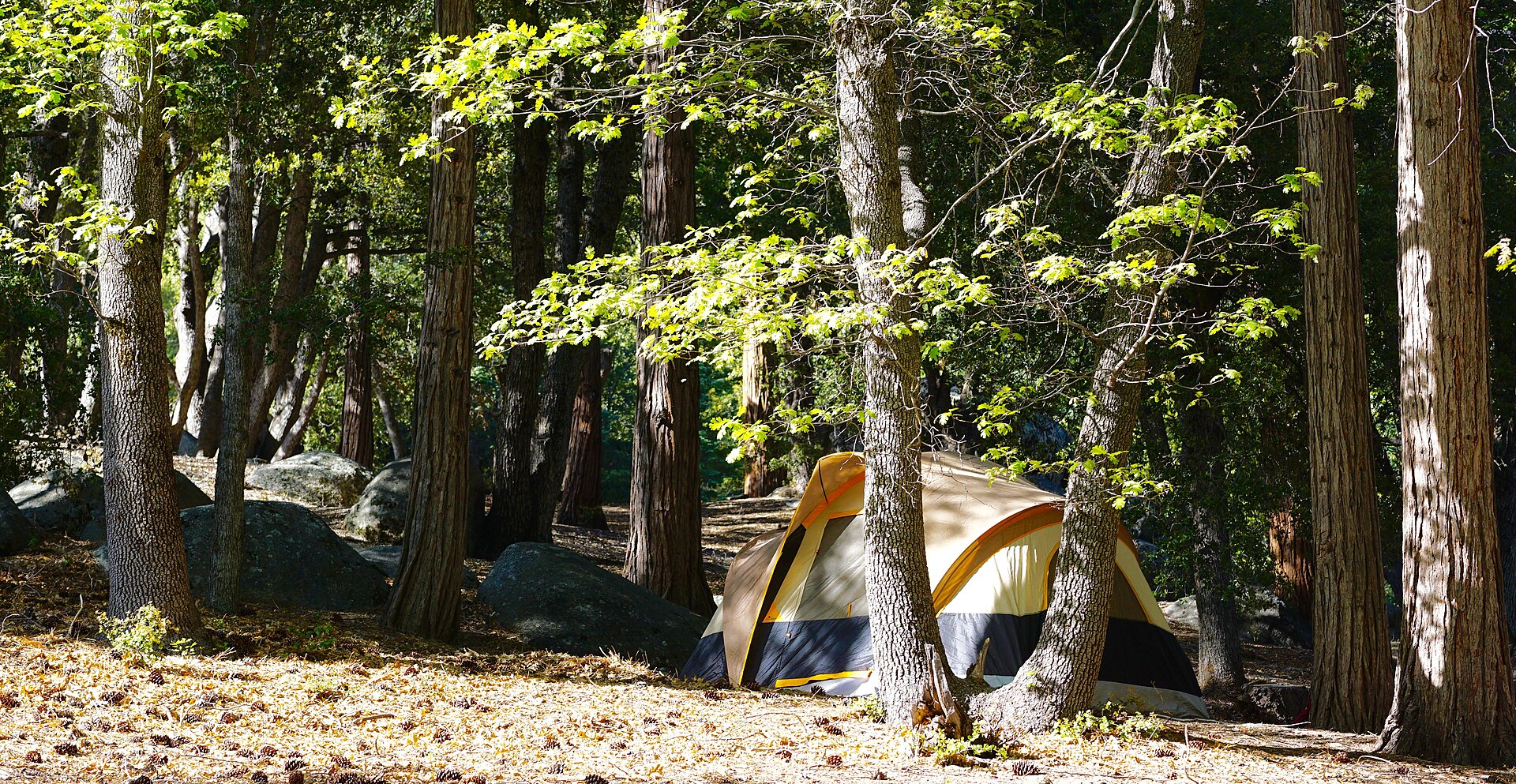

Why Canyon Camping is a Must-Try Adventure
There’s something truly magical about waking up in the heart of a canyon. The towering walls, the shifting light, the deep silence—canyon camping offers a level of immersion in nature that few other experiences can match. Whether you’re a seasoned backpacker or a weekend explorer, discovering the best canyon camping spots around the globe can elevate your outdoor game. Let’s dive into some of the most breathtaking locations that every nature lover should add to their bucket list.
1. The Grand Canyon, USA
The Grand Canyon is iconic for a reason. With its vast, layered red rock formations and the mighty Colorado River cutting through its core, it offers some of the most scenic and challenging camping spots in the world.
- Bright Angel Campground: Nestled near Phantom Ranch, great for those hiking down the Bright Angel Trail.
- Havasu Falls: Crystal blue waterfalls and terraced pools make this a dreamlike camping destination.
Be prepared for permits and plan well in advance—this is a bucket-list favorite for many campers.
2. Fish River Canyon, Namibia
Often considered the largest canyon in Africa, Fish River Canyon offers remote, rugged beauty with fewer crowds. The multi-day hike along the canyon floor is a test of endurance and offers spectacular views at every turn.
Highlights:
- Stargazing beneath some of the clearest skies on Earth
- Natural hot springs for a soothing evening soak
3. Colca Canyon, Peru
Twice as deep as the Grand Canyon, Colca Canyon is a paradise for hikers and bird lovers. Keep an eye out for the majestic Andean condors soaring overhead.
Camping here takes you through traditional Andean villages, terraced fields, and riverside oases. Don’t miss the peaceful Sangalle Oasis, a lush green patch perfect for an overnight stay after a long descent.
4. Kings Canyon, Australia
Located in the Northern Territory, Kings Canyon delivers a powerful outback experience. With its dramatic cliffs and hidden waterholes, it’s both a spiritual and scenic journey.
- Rim Walk: A must-do 6 km loop with panoramic views
- Garden of Eden: A secluded waterhole ideal for a tranquil rest
Camping nearby in Watarrka National Park offers a rare chance to connect with Australia’s rugged red center.
5. Samaria Gorge, Crete
This European gem offers a different canyon camping vibe. The Samaria Gorge stretches over 16 km through the White Mountains of Crete, with steep cliffs and lush vegetation.
Why go: The trail leads you to the Libyan Sea, where you can camp by the beach after a day of hiking through pine forests and narrow rock corridors.
Tips for an Unforgettable Canyon Camping Experience
- Pack light but smart: Every gram counts when hiking into canyon depths.
- Stay hydrated: Canyons can be surprisingly dry—bring a reliable water filter.
- Respect local regulations: Many sites require permits and have strict guidelines to protect fragile ecosystems.
- Leave no trace: Preserve the beauty for the next adventurer.
Two More North American Camps That Earn Their Permits
The Narrows, Zion National Park
Most visitors wade a few miles up the Narrows from the Temple of Sinawava and turn around. The version worth planning for is the sixteen-mile top-down route from Chamberlain’s Ranch, which comes with a dozen designated campsites on sand benches inside the gorge and a night listening to the Virgin River echo off walls a thousand feet high. Overnight permits are limited and run through an advance lottery, the route closes whenever the river flow is high, and neoprene socks, drainable shoes and a stout stick are close to mandatory. Check the park website for current flow, closures and water advisories before you commit.
Coyote Gulch, Grand Staircase-Escalante
If the Grand Canyon is about scale, Coyote Gulch is about intimacy: a clear year-round stream, cottonwood benches, two great arches, and camps you reach by walking in the water rather than beside it. Permits are self-issued at the trailhead, fires are banned and human waste must be packed out, which is what keeps the sand as clean as it is. The long dirt road in is the real filter; go with a high-clearance vehicle and a full tank.
Seasons Below the Rim
The single biggest planning mistake we see in the American Southwest is treating the calendar as decoration. The inner Grand Canyon runs twenty to thirty degrees Fahrenheit hotter than the rim, so a pleasant June morning at the visitor center becomes one hundred and ten at the river, and the park advises staying off the trail between about ten and four in summer. Havasu is similar: the ten miles from Hualapai Hilltop to the campground are shadeless for most of the morning. Spring and autumn are the sweet spot for both, and correspondingly hard to book.
The other calendar to respect is the monsoon. From July into mid-September, afternoon storms build almost daily over the Colorado Plateau, and a canyon that was dry at noon can carry a wall of muddy water by three. That matters most in narrow places like the Narrows and Buckskin Gulch, but it also closes dirt access roads to Escalante trailheads and floods Havasu Creek often enough that the campground has been evacuated more than once. Plan narrows for the morning, camp on benches above the driftwood line, and read the flash-flood outlook the night before and again at dawn.
A Realistic Budget
Canyon camping is inexpensive once you are on the trail, but the entry tickets vary wildly. Roughly speaking:
- Grand Canyon corridor camps: a small permit fee plus a per-person, per-night charge in the teens of dollars, on top of the park entrance fee
- Havasu Falls: a mandatory multi-night stay booked through the tribe, typically several hundred dollars per person for the package, and it sells out within minutes when reservations open
- The Narrows top-down: a modest permit fee plus gear rental in Springdale, generally in the thirty-to-sixty dollar range per day
- Coyote Gulch, Fish River, Samaria: free or tens of dollars for the permit, with the real cost being the transport to get there
Prices and rules change every season, so treat these as ranges and confirm on the park, monument or reserve website before booking flights around them. One tip that has saved us more than once: apply for the permit first and plan the rest of the trip around whatever dates you win, rather than the other way round.
Final Thoughts
Camping in canyons is more than just an outdoor activity—it’s a journey into the Earth’s soul. The silence, the scale, and the solitude are humbling. From the red rocks of Arizona to the remote gorges of Namibia, these canyon camping spots offer unforgettable adventures for those who seek them. So pack your gear, plan your route, and get ready to sleep beneath towering stone walls and a sky full of stars.
