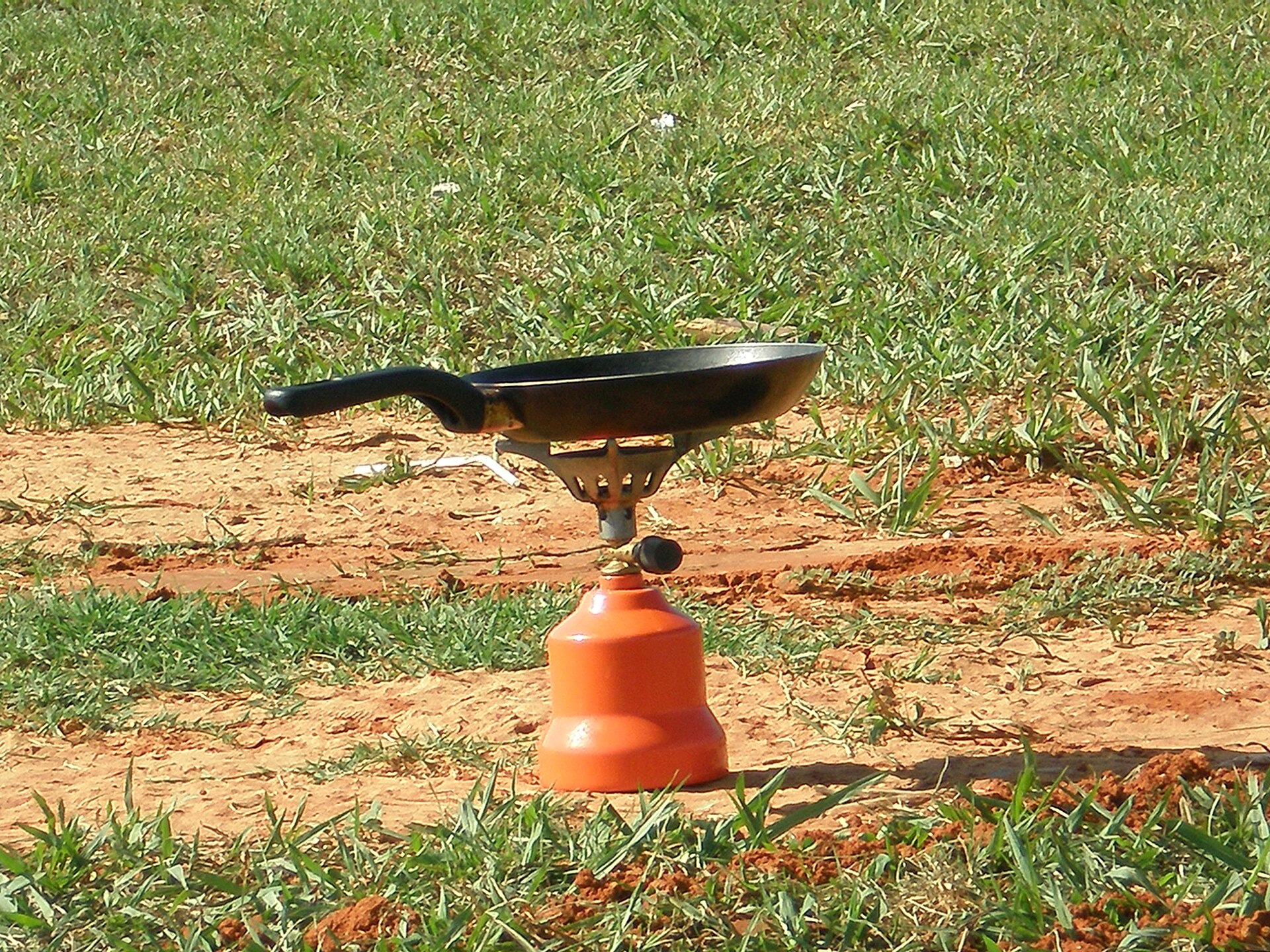

By late spring most of the Southwest is under some form of fire restriction, and by June many national forests and BLM districts ban open flame altogether, including charcoal and wood. In many canyons, fires are prohibited year round anyway. None of this needs to spoil dinner. It does change how you plan, which stove you carry, and what you do when even the stove is off the table.
Know which stage of restriction you are under
Fire restrictions in the Southwest come in stages, and the wording matters. Stage 1 usually bans campfires outside developed sites but still allows pressurised gas stoves with an on-off valve. Stage 2 typically bans all open flame including charcoal and wood, but still allows gas stoves, often only in cleared areas. A full closure or a Stage 3 bans everything, including stoves, and sometimes access itself. Alcohol stoves, solid fuel tablets and wood-burning stoves count as open flame in most jurisdictions and are banned from Stage 1 or 2 onward, even though they look small and tame.
Check the specific unit before you go: the forest, the park, the BLM field office. Restrictions change with a single hot week, and the signboard at the trailhead may be days out of date. When in doubt, call.
- Gas canister stoves: allowed in most restrictions below a full ban.
- Liquid fuel stoves: usually allowed with a valve; some units ban priming flames.
- Alcohol, esbit, twig stoves: usually banned once restrictions begin.
- Charcoal, wood fires: banned in most canyon corridors regardless of season.
Setting up a stove safely on dry ground
Even where stoves are legal, the reason for the ban is real. Cheatgrass and dry juniper litter ignite from a spilled flare-up in seconds, and a wind gust can carry a flame a surprising distance. Set your stove on bare rock or sand at least three feet from any vegetation. Slickrock is ideal: flat, non-flammable, and usually wind-sheltered if you choose a hollow. Use a windscreen, but leave a gap so the canister does not overheat. Keep a liter of water within reach while the stove is lit, not because you expect trouble, but because the one time you need it there is no second chance.
Wind is the main enemy. Canyon evenings often bring a downcanyon breeze that starts as the rock cools, right at dinner time. A stove that boils in four minutes at home can take fifteen in a breeze and burn twice the fuel. Cooking behind a boulder, in a slight depression, or with a proper foil windscreen is worth more than any fancy burner. Never move the stove into the tent vestibule to escape the wind: the carbon monoxide risk is real and thin nylon burns in seconds.
Fuel maths for a canyon trip
A small 110 g canister on an efficient stove boils roughly 10 to 12 liters of water in calm conditions; a 230 g canister about 20 to 25. Wind, cold and simmering cut that badly. For a solo three-night trip with two hot drinks and one hot meal a day, one 230 g canister is usually plenty; for two people, carry two. Weigh your canisters before and after a trip and write the numbers down, and within a season you will know your own numbers better than any chart.
Keep the canister warm in cold months. Below about 40°F (4°C) a standard butane-propane mix loses pressure and the stove sputters. Sleeping with the canister, or standing it in a shallow bowl of water while it runs, fixes this.
When there is no flame at all
A full ban, a dead stove or a lost canister need not mean cold, joyless food. Cold-soaking is the technique of adding water to dried food in a sealed jar and letting time do the cooking. Instant refried beans, couscous, instant mashed potato, ramen, oats and dehydrated hummus all rehydrate in 30 to 90 minutes without heat, and the warm desert air makes it faster than in the mountains. Add olive oil, hard cheese, a tortilla, and a little hot sauce, and it is genuinely good.
Plan a no-cook menu around calorie density. Nuts, nut butters, cheese, cured meats, dried fruit, tortillas, crackers, and bars deliver more energy per pound than any freeze-dried meal. In summer heat, chocolate and anything with a low melting point becomes a mess; swap it for hard candy or dried fruit. Bring an electrolyte mix for the water and a small container of salt.
A sample no-flame day
- Breakfast: oats cold-soaked overnight with powdered milk, dried fruit and nuts.
- Lunch and snacks: tortillas with cheese and salami, a bag of trail mix, dried mango.
- Dinner: couscous soaked for an hour with a stock cube crumbled in, olive oil, and a pouch of tuna.
- Evening: a square of hard, dark chocolate, kept in the pack’s shaded core.
Cleanup and smell
Ringtails, ravens and mice raid canyon camps with great skill, and a fire ban does not reduce their interest. Cook and eat well away from where you sleep, hang or box food where required, and strain dishwater through a bandana, scattering it on rock far from water. Pack out every scrap, including the coffee grounds and the crumbs. Soap, even the biodegradable kind, stays out of every pool.
On a July trip in a sandstone side canyon, the district went to a full ban two days after we got our permit. We had planned around a stove and had to improvise. A jar of cold-soaked couscous with olive oil, a crumbled stock cube and a handful of sun-dried tomatoes, eaten on a slab as the walls turned orange, remains one of the best canyon dinners I can remember. The fire was never the point.
The mindset
Fire bans exist because one ember in cheatgrass can close a canyon for years. Treat the rule as a design constraint, not an inconvenience. Learn the stages, carry the right stove, know your fuel numbers, and have a no-flame menu you would actually enjoy. You will eat well, you will sleep better without smoke, and the canyon will still be there next year.
