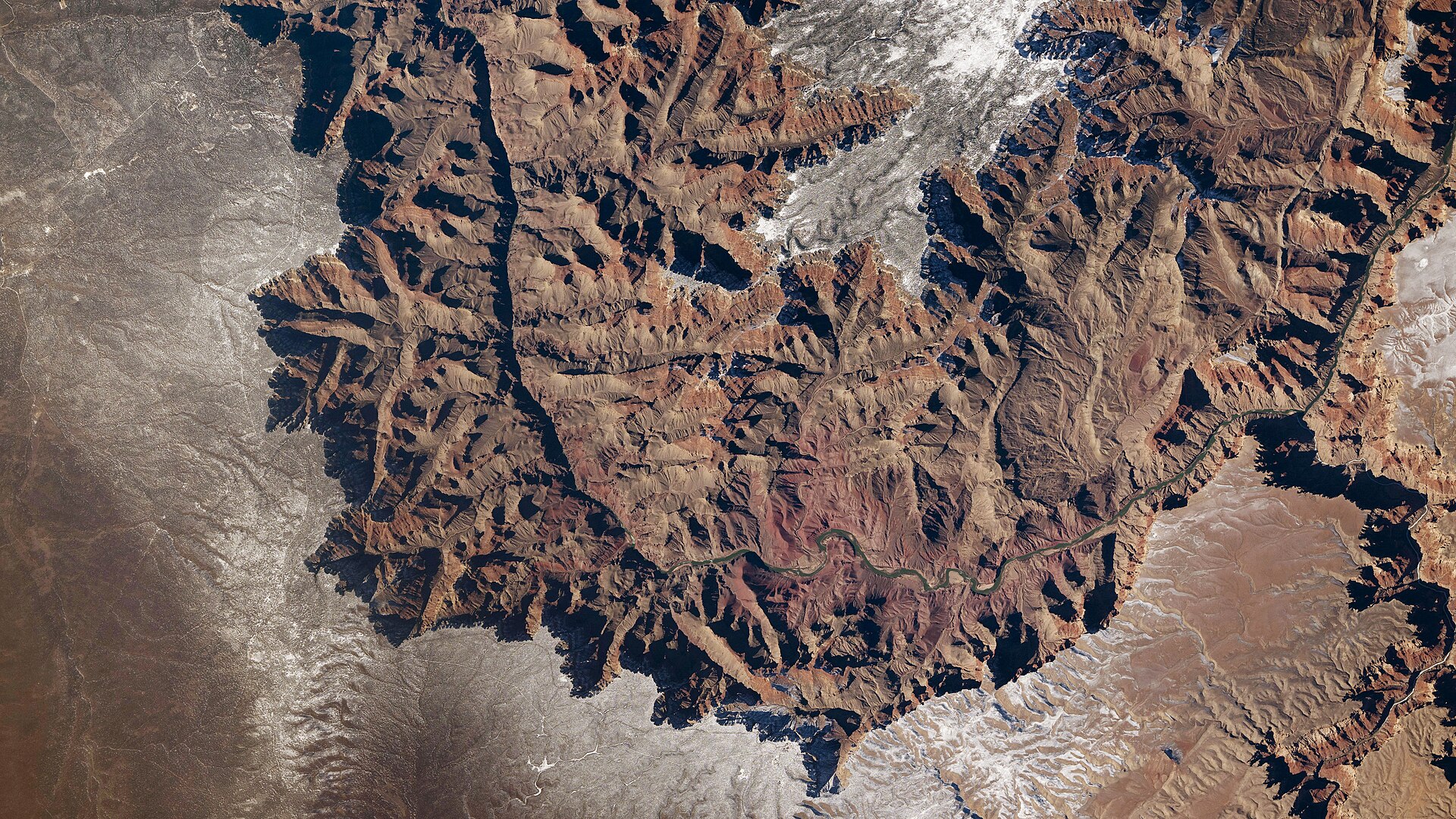

Winter is the secret season in canyon country. The crowds are gone, the light is low and gold all day, the sand is firm with frost, and snow on the rims above red walls is a sight most summer visitors never see. It is also the season with the least margin for error. Nights run far below freezing, days are short, water is often ice, and help is further away than it is in April. Here is what changes, and how to plan for it.
What winter actually looks like in the canyons
On the Colorado Plateau at 4,000 to 6,000 feet, a typical January day at the canyon bottom is 35 to 50°F (2 to 10°C) in the sun and drops to 10 to 25°F (-12 to -4°C) overnight. Cold air pools in canyon bottoms, so the floor can be ten or fifteen degrees colder than the rim. The sun rises late, clears the wall around mid-morning, and drops behind the opposite wall by mid-afternoon. In a deep, north-facing slot, direct sun may never reach you at all.
Daylight is roughly nine and a half hours around the solstice, but usable light in a canyon is more like seven. Plan a winter day as half of a summer one: four or five hours of movement, and camp set up by three in the afternoon so you can finish chores in the light and the last warmth.
Shaded north-facing slopes hold snow and ice for weeks after a storm. Slickrock that is bare on the south face may be glazed on the north. Water in potholes freezes; streams run under an ice shelf; and the springs that are so welcome in April may be a wall of icicles.
The sleep system is the trip
The single biggest winter mistake is under-estimating the ground. A sleeping bag rated for 20°F on a thin summer pad on frozen sand feels like a 40°F bag. Pads are rated by R-value, and winter in the canyons calls for a combined R-value of at least 4 to 5: a closed-cell foam pad under an insulated inflatable is the standard, reliable setup. The foam also gives you something to sit on during the long evening.
Bring a bag rated for at least 10°F (-12°C) lower than the coldest night you expect, and remember that comfort ratings and limit ratings differ. Down is warmer for the weight and the desert is dry, so down works well here; keep it dry from your own breath by not burrowing your face inside.
- Sleep in dry clothes: change out of the layers you hiked in; they hold sweat.
- Hot bottle: a sealed bottle of hot water in the foot of the bag at bedtime is worth a full rating step.
- Eat before bed: a fatty snack gives your body fuel to keep warm.
- Pee bottle: not glamorous, but leaving the bag at 3 am at 15°F costs you an hour of warmth.
Water when everything is frozen
You need as much water in winter as on a mild spring day, roughly 0.3 to 0.5 liters per hour of hiking plus camp needs, but you will not feel thirsty, and water sources will be harder to use. Carry bottles, not a hydration bladder; hoses freeze within an hour at 20°F. Store bottles upside down so the ice forms at the bottom, and sleep with one or two so you have liquid water to start the morning.
Melting snow works but is slow and fuel-hungry: expect to burn two or three times your summer fuel per liter. Breaking through pothole ice with a rock or pole is faster, and the water beneath is usually clean enough to filter. Filters themselves are the weak point: a frozen hollow-fiber filter is ruined, silently. Keep it inside your jacket by day and in the bag at night, or use chemical treatment in winter.
Fuel, stoves and hands
Canister stoves fade below freezing. Use a winter blend with a higher propane share, keep the canister warm, and prefer a stove with a remote canister that can be inverted, or carry a liquid fuel stove, which does not care about the cold. Budget double your summer fuel. Bring a lighter and matches both; lighters can fail in the cold. Cook with gloves on: glove liners under insulated mitts let you handle the stove without exposing skin.
Moving on winter ground
Ice is the main new hazard. Shaded slickrock, the edge of a frozen pool, or a sandstone ledge with a skin of hard snow will drop you without warning. Carry a pair of light traction spikes and put them on early rather than after the first slip. Poles help enormously. On steep, shaded slickrock, if it looks glazed, find another way; the friction that saves you in summer is gone.
Short days also mean navigation errors are more costly. Turn around by early afternoon. A headlamp with fresh batteries, and a spare set in an inside pocket, are mandatory. Cold kills battery life; phones used as maps can die in an hour of exposure, so keep them warm and carry a paper map anyway.
- Traction: spikes for ice, and know that they scratch and are useless on dry rock.
- Layers: a wind shell over a fleece for movement; a puffy for stops, put on before you cool down.
- Gloves, hat, buff: extremities go first.
- Turnaround time: earlier than you think, and honoured.
Empty trails come with empty trailheads
The solitude is the reward, and also the risk. Ranger stations run reduced hours, roads to trailheads may not be plowed or may be impassable mud after a thaw, and a stuck vehicle on a clay road is a very real winter problem. Carry a shovel and traction boards in the vehicle, tell someone your route and your latest return, and consider a satellite communicator; in winter you may be the only party in the canyon for a week.
A friend and I spent three nights in a side canyon in late December a few years ago. The sun reached the sand at 10:40 am and left at 2:50 pm. We hiked in that window, spent the long evenings by a candle lantern in the tent, and drank a great deal of tea. On the second morning our pothole was frozen an inch thick and the filter, left in the pack, was solid. We had chlorine tablets, which saved the trip, and we have carried them every winter since.
Worth every cold minute
Winter canyon camping asks more of your planning and gives back a landscape most people never see: snow on ochre rock, ice falls on the seeps, silence you can hear. Plan for the ground, the water and the light, and the short days will feel like the best ones of the year.
