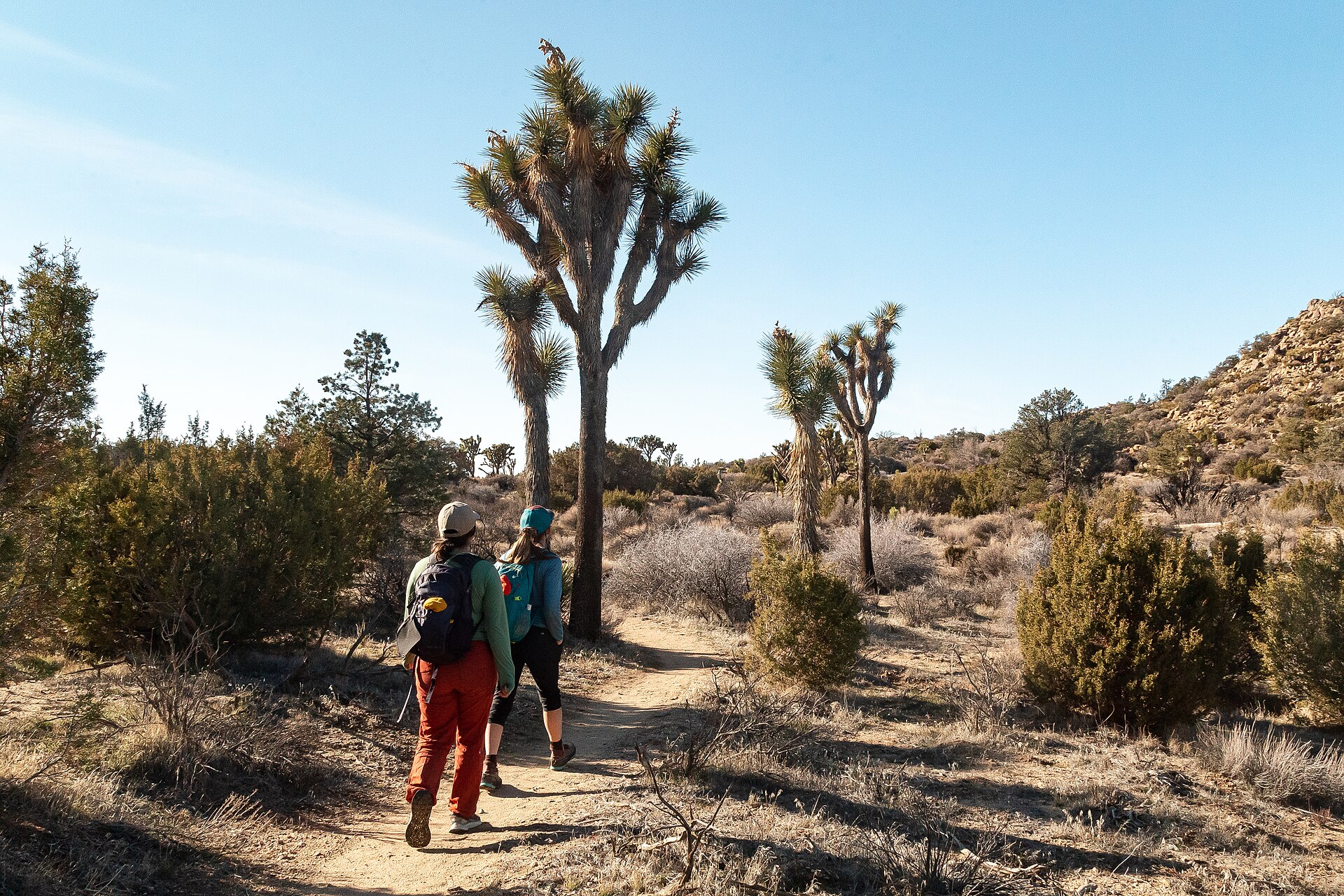

Prepare for the Wild: Why the Right Gear Matters
Whether you’re hiking narrow slot canyons in the Southwest or camping beneath towering red rock cliffs, having the right equipment can make or break your adventure. Canyon environments are both breathtaking and unforgiving, with dramatic temperature shifts, rugged terrain, and limited access to water or shelter. Being well-prepared isn’t just about comfort—it’s about safety and maximizing the experience.
Must-Have Hiking Essentials
1. Footwear Built for the Terrain
A pair of sturdy, well-broken-in hiking boots with excellent grip is non-negotiable. Canyons often feature slick rock surfaces, loose gravel, and sudden elevation changes. Ankle support and traction are crucial to avoid slips and injuries.
2. Navigation Tools
- Topographic map specific to the area
- Compass or GPS device (don’t rely solely on smartphones)
- Download offline maps before you go
Many canyons lack cell service, so analog tools remain vital even in the digital age.
3. Hydration Gear
Dehydration is one of the top risks in canyon country. Bring:
- At least 3 liters of water per person per day
- Collapsible water bladders or bottles
- Water filtration system or purification tablets
Natural water sources can be rare and unpredictable, especially in arid regions.
Camping in the Canyons: What You Need
1. Lightweight, Durable Shelter
Choose a tent that’s compact, easy to pitch, and can handle wind and dust. For warmer climates, a mesh tent or bivy sack might suffice. Always bring a ground tarp to protect against sharp rocks and moisture.
2. Compact Cooking Equipment
Opt for a lightweight backpacking stove and fuel canister. Don’t forget:
- Spork and collapsible bowl
- Biodegradable soap and sponge for clean-up
- Bear-proof food containers (if in wildlife zones)
Keep meals simple but calorie-dense—you’ll need the energy!
3. Sleeping System
Temperature swings in canyons can be extreme. You’ll want:
- Insulated sleeping pad
- Down or synthetic sleeping bag rated for the season
- Optional: sleep liner for added warmth
A good night’s rest is essential after a long day of exploration.
Safety & Comfort Add-Ons
- Headlamp with extra batteries
- First aid kit with blister care
- Multi-tool or knife
- Sun protection: hat, sunscreen, sunglasses
- Quick-dry clothing and extra layers
These items may seem minor, but they can greatly improve your resilience and comfort out in the wild.
Voices from the Trails
“I once underestimated how cold the canyon floor gets at night,” says Sarah, a seasoned backpacker. “Now I never leave home without my insulated pad and a good thermal layer.”
James, a solo hiker, adds: “My water filter saved me. I found a seep in a rock wall and was able to refill safely. Always pack more water than you think you’ll need.”
Dressing for a Fifty-Degree Day
A canyon day in spring or autumn can start below freezing on the rim and hit ninety on the floor by two in the afternoon, then fall right back down after sunset. Clothing has to be a system, not an outfit. Light, long-sleeved sun shirts in pale colors with a collar you can flip up beat sunscreen alone on exposed slickrock and dry in minutes after a creek crossing. Trousers that convert to shorts sound gimmicky until you meet a stretch of catclaw and tamarisk. On top, carry a wind shirt for the exposed ridges and a light insulated jacket for the hour after dark, when the walls stop radiating heat and the cold pools in the bottom of the canyon.
The piece most people forget is a real hat. A baseball cap protects the forehead and leaves the ears and neck to burn; a wide brim or a cap with a neck cape makes a measurable difference by the third day. Cheap cotton bandanas earn their space too: soaked and tied around the neck they take the edge off the afternoon, and they double as a pre-filter for silty water.
Extras for Wet and Slot Canyons
Routes like the Narrows in Zion or the lower reaches of Coyote Gulch are as much wading as walking, and ordinary hiking boots turn into buckets. What works is a closed-toe shoe with a sticky sole that drains, worn over neoprene socks, plus a stout walking stick or a single trekking pole for probing depth in murky water. For the Narrows, outfitters in Springdale rent the whole set (shoes, socks and stick) for a daily fee generally in the thirty-to-sixty dollar range, depending on season and whether you add dry pants. Always check the park website for current flow and water advisories before committing; the route closes when the river runs high, and there have been long-running warnings about keeping your head above the water.
Inside the pack, everything that must stay dry goes in a roll-top dry bag: sleeping bag, spare base layer, electronics, permit. A pack liner is cheap insurance against a stumble in a pool. For slot canyons with short down-climbs, a ten-meter length of accessory cord and a couple of slings help hand packs down and give a nervous companion something to hold, but if a route needs a real rope and anchors it is canyoneering, not hiking, and it deserves its own training.
Where to Spend and Where to Save
Not everything on the list deserves the same budget. In our experience the money goes to the things that touch your body for hours: footwear, sleeping pad and a pack that fits. A decent pair of boots or trail shoes lands in the one-hundred-and-fifty to two-hundred-and-fifty dollar range; an insulated pad that actually sleeps warm on cold sand is roughly one hundred to two hundred; a properly fitted pack anywhere from two hundred to three hundred and fifty. Filters, stoves and headlamps, by contrast, are very good even at the budget end.
What to skip: heavy expedition tents when a light three-season shelter will do, cotton anything, and the kitchen gadget you have never used at home. One rule we follow religiously is to test every new item on a short local walk first. A friend once discovered at Havasupai Gardens that her brand-new water bladder leaked at the hose fitting, six miles from the rim with a hot afternoon ahead. The bottle she had packed as a spare, on a whim, was the only reason the day ended well.
Conclusion: Pack Smart, Wander Far
Canyon adventures offer an otherworldly beauty that few landscapes can match. With the right gear and preparation, you’ll not only stay safe—you’ll be free to connect deeply with the raw, natural world. So pack wisely, tread lightly, and let the canyons guide your journey.
Read next: Grand Canyon South Rim vs West Rim: Which Side Fits Your Trip?
