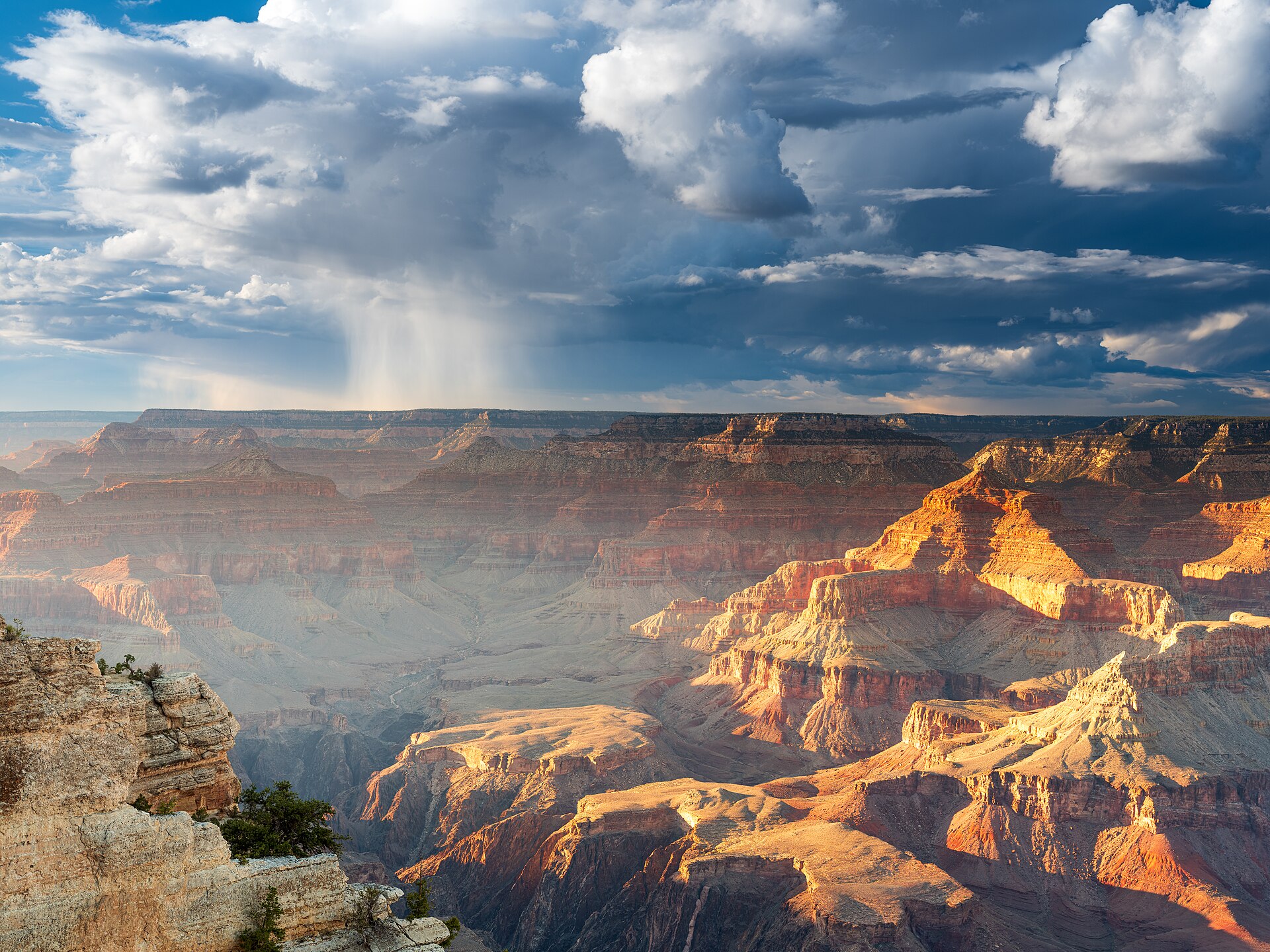

Day 1: Arrival at the South Rim
After months of planning, I finally arrived at the South Rim of the Grand Canyon. The view was nothing short of breathtaking. Towering cliffs painted in deep reds and oranges stretched as far as the eye could see. I set up camp at Mather Campground, where the scent of pine trees and the cool evening breeze made for a perfect first night.
Day 2: Descending into the Canyon
The descent began early via the Bright Angel Trail. Switchbacks carved into the canyon walls led us deeper into this geological masterpiece. With every step, the silence grew, only broken by the occasional rustle of a lizard or bird call. By midday, we reached Indian Garden, an oasis in the desert with shade and spring water. A welcome rest stop before the final push to the Colorado River.
Day 3: River Camp and Starry Skies
Camping by the Colorado River felt surreal. The water rushed powerfully beside us as we cooked our meals on portable stoves. That night, the sky opened up into a dazzling display of stars. No light pollution, no distractions—just nature in its purest form. I lay awake for hours, lost in constellations and the gentle roar of the river.
Day 4: Exploring Phantom Ranch
We hiked to nearby Phantom Ranch, a historic outpost nestled in the canyon. Here, I met fellow adventurers from around the world. We shared stories over lemonade and postcards, bonding over our shared love of exploration. The sense of community in such a remote place was refreshing.
Day 5: Sunrise from the Riverbank
Waking before dawn, I made my way to the riverbank. As the sun rose, light spilled over the canyon walls, painting the landscape in golden hues. It was a moment of pure serenity. I journaled in silence, capturing thoughts and emotions that only such a place could inspire.
Day 6: The Ascent Begins
Climbing back up was a test of endurance and will. The North Kaibab Trail was steep and relentless, but every turn offered a new view, a new reason to keep going. Hydration, pacing, and mindset were key. I took frequent breaks, savoring the views and the sense of accomplishment building with every step upward.
Day 7: Reflections from the Rim
Back at the rim, I looked out over the vast landscape, humbled and inspired. This week had been more than just a physical journey—it was a mental and emotional reset. I learned to listen to nature, trust my body, and appreciate the simple moments.
Tips for Your Own Grand Canyon Journey
- Plan ahead: Permits, weather, and trail conditions matter.
- Pack smart: Lightweight gear, water filters, and layered clothing are essential.
- Respect the environment: Leave no trace and stay on marked trails.
- Know your limits: The canyon is beautiful but unforgiving—listen to your body.
Bright Angel or South Kaibab: Choosing Your Way Down
If you are planning your own version of this trip, the first real decision is which corridor trail to descend. Bright Angel, the one we took, is the longer and gentler option: about nine and a half miles from the rim to Bright Angel Campground, with rest houses at the mile-and-a-half and three-mile points, shade in the upper switchbacks for part of the day, and a reliable spring at Havasupai Gardens, the name the park now uses for Indian Garden. Seasonal piped water at the rest houses is usually on from spring to autumn, but it gets turned off for pipeline work or freezing without much notice, so check the park website the day before you go and carry enough to reach the next known source regardless.
The South Kaibab is shorter, around seven miles to the same campground, and far more open, with the sort of views that stop you every hundred yards. The trade-off is that it has no water anywhere and almost no shade. Most people who do both use the South Kaibab to go down and Bright Angel to come up, which is also the direction the park recommends. Going up the South Kaibab in summer is one of the more common reasons for rescues in the corridor.
A rough picture of the two descents:
- Bright Angel: roughly 4,400 feet of descent, water at several points in season, some shade, quieter afternoon light
- South Kaibab: roughly 4,800 feet of descent, no water, no shade, landmarks at Cedar Ridge, Skeleton Point and the Tipoff
Heat and Timing Below the Rim
What no photograph conveys is the heat. The inner canyon runs twenty to thirty degrees Fahrenheit hotter than the rim, so a pleasant eighty-degree morning at the visitor center can be one hundred and ten at Phantom Ranch by midafternoon. On our third day the thermometer on the ranger station porch read 108 in the shade. In June, July and August the park’s advice is to stay off the trail between about ten in the morning and four in the afternoon, and after one hot afternoon at Havasupai Gardens we understood why.
The rhythm that worked for us was to walk by headlamp from about four thirty, reach shade before the sun hit the trail, and spend the middle of the day at the creek with our feet in the water. We drank close to a liter an hour while moving and ate salted nuts and crackers with it. Spring and autumn are far kinder: in April and October the same walk is merely warm, and the campgrounds are correspondingly harder to book.
Permits, Phantom Ranch and What It Costs
Camping at Bright Angel Campground or Havasupai Gardens needs a backcountry permit, and demand for corridor sites is strong enough that the park runs a lottery months ahead, with leftover nights released later. Expect a small fee per permit plus a per-person, per-night charge in the teens of dollars, on top of the park entrance fee. A bed at Phantom Ranch is a separate process with its own lottery more than a year out; a dorm bunk runs well under a hundred dollars a night and cabins a few hundred, with meals in the forty-to-seventy dollar range. The canteen sells lemonade, snacks and postcards to anyone who walks in, no reservation needed, which is how we ended up there on Day 4. Rules and fees change, so treat these as ranges and check the park website before you plan around them.
One last logistics note if you follow our route out the North Kaibab: the North Rim is only open from mid-May to mid-October, and getting back to a car on the South Rim means a shuttle that takes most of a day and costs a bit over a hundred dollars a seat. Book it before you book anything else.
Final Thoughts
Spending a week in the Grand Canyon was a life-altering experience. It reminded me that adventure doesn’t require luxury—just curiosity, courage, and a willingness to disconnect. If you’ve ever dreamed of wandering through a canyon carved by time, this is your sign to go.
