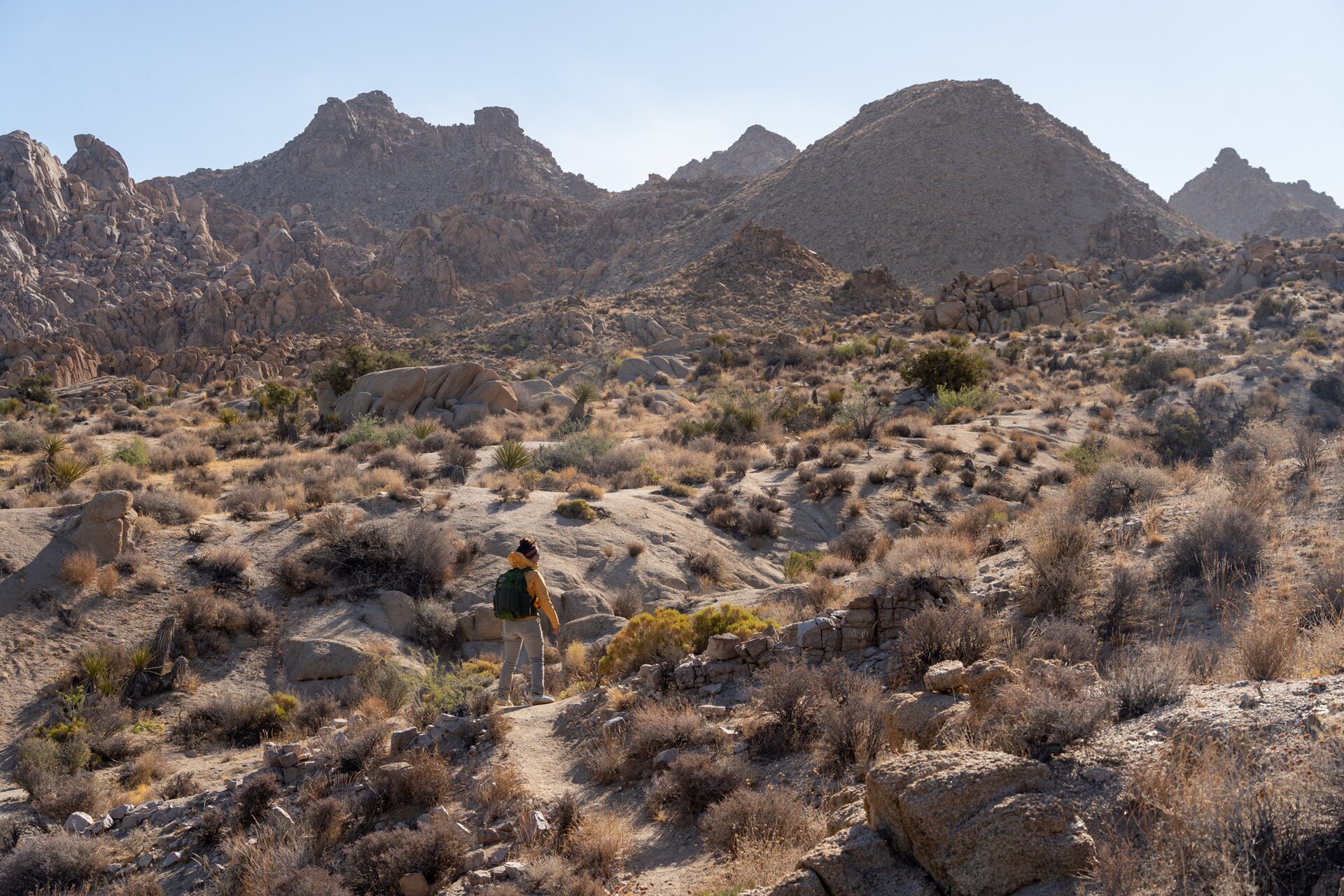

Meet Jake Turner: Living the Canyon Dream
For many, hiking through canyons is a thrilling escape. But for Jake Turner, it’s a way of life. As a seasoned canyon guide with over a decade of experience, Jake has led hundreds of adventurers through some of the most breathtaking landscapes on Earth. We sat down with him to hear what it’s really like to live and breathe the canyon life.
How It All Began
“I was 22 when I took my first solo hike through the Escalante canyons,” Jake recalls. “It changed everything. The silence, the vastness, the challenge — I knew I had found my calling.” From that moment, he dedicated himself to exploring remote trails and eventually trained as a certified guide.
What a Typical Day Looks Like
Life as a canyon guide is far from ordinary. Jake shares a glimpse into his daily routine:
- 5:30 AM: Wake up with the sun and prep gear for the group
- 7:00 AM: Brief hikers, check supplies, safety overview
- All-day: Lead treks, navigate terrain, share geological insights
- Evening: Set up camp, cook over the fire, tell stories under the stars
“Every day is different,” he says. “You’re constantly adapting to nature’s rhythm. It keeps you humble and grounded.”
Challenges on the Trail
Being a guide isn’t just about knowing the trails — it’s about staying calm under pressure. Jake has faced flash floods, heat exhaustion cases, and even a rattlesnake encounter. “The key is preparation and staying alert. Nature is beautiful, but it demands respect.”
Top Challenges Canyon Guides Face:
- Unpredictable weather — sudden storms can change everything
- Physical demands — long distances, heavy packs, steep climbs
- Group dynamics — managing different skill levels and expectations
Why He Keeps Coming Back
“There’s something magical about watching someone conquer their fears or see the Milky Way for the first time,” Jake says with a smile. “Those moments make it all worth it.”
For Jake, guiding is not just a job — it’s a mission. He believes that canyon experiences can reconnect people to the natural world and to themselves.
Advice for Aspiring Canyon Guides
Thinking of becoming a canyon guide? Jake offers some wise words:
- Start small — explore local trails and build your confidence
- Get certified — wilderness first aid and navigation skills are essential
- Find a mentor — learn from experienced guides
- Stay curious — every canyon has a story. Learn to read the land
On Reading Weather in a Slot Canyon
We asked Jake how he decides whether a group goes into a narrows at all. “I look at the whole drainage, not the sky over the trailhead,” he says. “Buckskin Gulch collects water from country you will never see from inside it. During monsoon season, July into September, I check the flash-flood potential rating the night before and again at dawn. If it says probable, we do something else that day. Nobody has ever complained about a substitute hike. They would complain about the alternative.”
He has turned back more times than he can count, sometimes within sight of the good part. “The hardest ones are the clear-sky days when a client has flown across the country for this. I tell them the same thing every time: the canyon is not going anywhere. You need to still be here to come back.”
His signs that it is time to climb out, in the order he usually notices them:
- A change in the air — a cold downdraft or a sudden smell of wet earth when nothing has fallen on you
- Water turning cloudy or rising even an inch in a stream that was clear a minute ago
- Sound — a low roar that does not fade, often mistaken for wind or a plane
- Debris — sticks and foam arriving before the water does
On Heat, Water and the Mistakes He Sees Most
“The people I worry about are not the beginners,” Jake says. “Beginners are scared and they listen. It is the fit, experienced hiker from somewhere cool and green who thinks two liters is plenty because it always has been.” Below the rim in the Grand Canyon, he points out, it can be twenty to thirty degrees hotter than at the trailhead, and the South Kaibab has no water and almost no shade for seven miles. “I have carried out packs for people who could run a marathon.”
His water rule for guests in summer is simple: about a liter an hour while moving, and eat something salty every time you drink. He also builds every hot-season day around the shade. “We walk from first light until about ten, then we sit in the shade and do nothing until four. Guests think I am being lazy. By the third day they understand it is the only reason they still feel good.”
The other mistake, he says, is the schedule. “People plan a canyon day like a city day, with a finish time. Out here, the turnaround time is the plan. I set it before we leave camp and I do not negotiate it on the trail, because on the trail everybody, including me, wants to see what is around the next bend.”
On the Business Side of Guiding
Asked what nobody tells you about the job, Jake laughs. “That half of it is paperwork. Permits, insurance, commercial-use authorizations, a wilderness first responder card to keep current, vehicle maintenance for washboard roads that eat tires.” Commercial rules differ from one canyon to the next, and he suggests anyone serious about guiding start by reading the commercial-use pages on the relevant park or monument website before spending a dollar on gear.
Pay, he says, is honest but not glamorous. Entry-level guides at most outfitters earn a day rate that works out to a modest hourly wage once you count pre-trip prep, plus tips that can matter more than the wage in a good season. “You do this because you want to be in the canyons every day and you are willing to be the one who carries the extra water. If that sounds like a good deal, it is the best job in the world.”
Final Thoughts
Jake’s story reminds us that the canyons aren’t just places to visit — they’re worlds to explore, respect, and fall in love with. Whether you’re hiking your first trail or dreaming of guiding others, the path through the canyon always offers something new.
