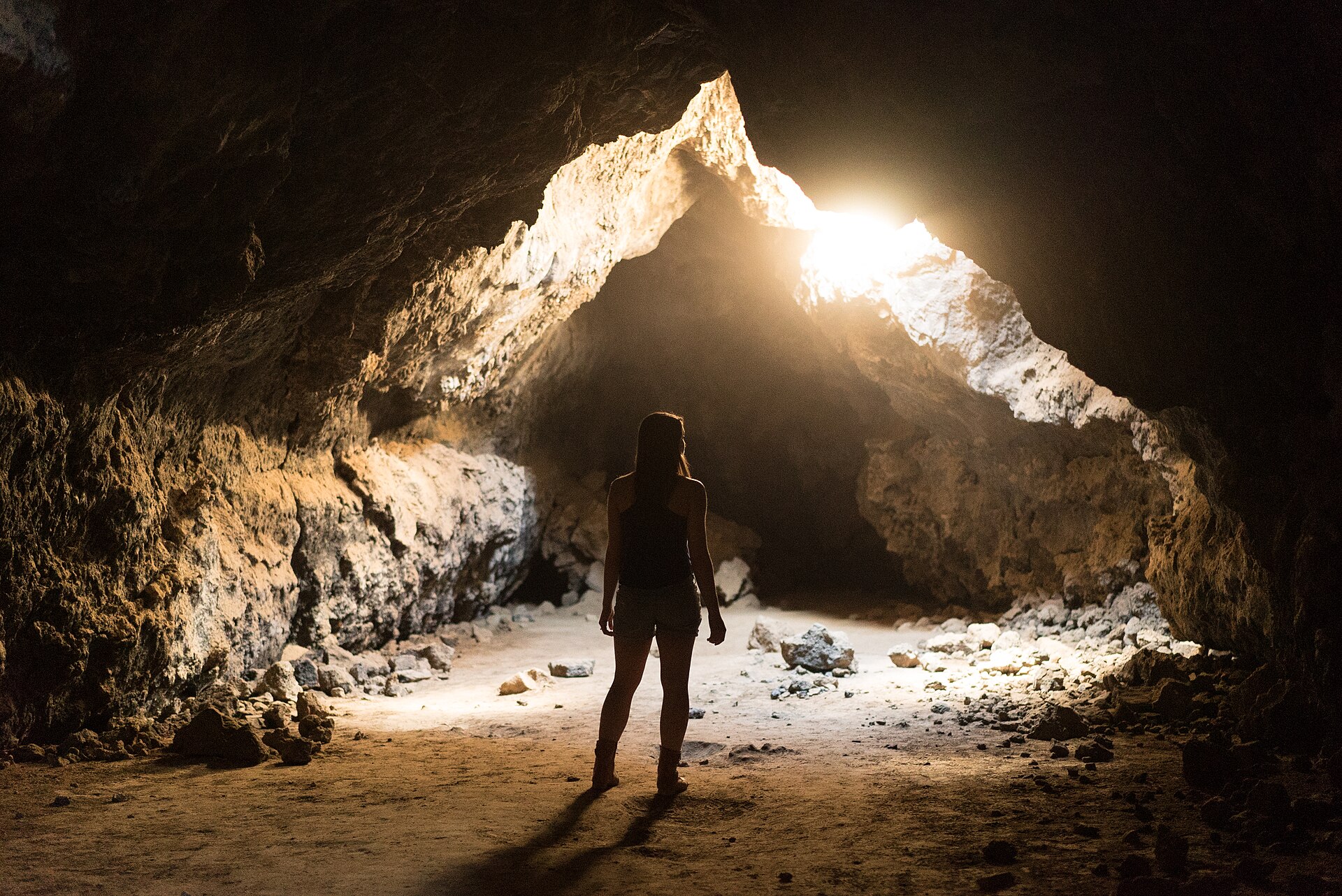

My first solo trip was three days in Coyote Gulch, in the Grand Staircase-Escalante country of southern Utah, in early May. I had been on plenty of group trips by then and thought I knew what I was doing. I came out fine, a little sunburned and very pleased with myself, and it took me a couple of years of more trips to understand how much of that was luck. Here are the three things I got wrong, and what I do differently now.
The trip on paper
Coyote Gulch is a gentle canyon by Utah standards: a perennial creek, cottonwoods, two natural bridges and an arch, and a walking route that mostly follows the water. The standard approach is from the Hurricane Wash trailhead off the Hole-in-the-Rock Road, a long washboard dirt road south of the town of Escalante. Overnight permits are free and self-issued at the trailhead or the visitor center, and the current rules are on the monument’s website. I planned to walk in about twelve miles the first day to the area near Jacob Hamblin Arch, spend a day exploring downstream toward the Escalante River, and walk out on the third day.
That plan was fine. Almost everything around it was not.
Mistake one: I started at noon
I drove down from Salt Lake City that morning, which took longer than the map suggested, and the Hole-in-the-Rock Road took longer than that. By the time I had signed the register and shouldered the pack it was a little past noon, and the sand in Hurricane Wash was already hot enough to feel through my soles. The first four miles of that approach are open, sandy and shadeless, and I walked them in the worst part of a May afternoon with a pack that was too heavy, feeling the water in my bottles get warm.
I was not in danger. It was May, not July, and there was water at the end of it. But I arrived in the canyon at dusk, tired and short-tempered, and set up in the dark on the first flat spot I found, which turned out in the morning to be a few feet from someone else’s tent and not far above the creek. What I do now: on any desert trip I sleep near the trailhead the night before and walk at first light. The drive can happen the day before. The heat cannot be rescheduled.
Mistake two: I trusted the water without a plan for it
Coyote Gulch has a creek, and I had a filter, so I carried two liters into a twelve-mile approach and told myself I would fill up at the bottom. That was true. It was also the only water plan I had. I did not know where the first reliable water was in Hurricane Wash, I did not know that the upper stretch of the creek runs murky and full of silt that clogs a filter in minutes, and I had not thought about what would happen if I twisted an ankle three miles from the creek with half a liter left.
The silt was the immediate problem. I spent the first hour in camp back-flushing a filter that had stopped passing water, and finally let a pot settle overnight and filtered off the top in the morning. The bigger problem was the attitude: I had treated the creek as infrastructure rather than as a natural feature that changes. Now I plan water in legs. For each leg I know where the next water is, how sure I am that it is there, and how much I need to carry to be able to turn back if it is not. On the sandy approach to a canyon I carry a minimum of three liters even when the water is a certainty, and I carry a bandana and a lightweight pre-filter for silty creeks.
Mistake three: nobody knew where I actually was
I told my roommate I was going hiking in Escalante for a few days. That was the plan I left behind. Not the trailhead, not the route, not the day I expected to be out, not the day to call someone if I was not. Escalante is a region the size of a small state with hundreds of canyons and a dozen trailheads along the same dirt road. If I had not come out, the search would have started with almost nothing.
This is the mistake that bothers me most in hindsight because it is the cheapest to fix. Now every trip, solo or not, leaves a written plan with one person: trailhead, route, campsites if known, vehicle description and plate, the date I will be out, and the date and time after which they should call the county sheriff. I carry a satellite messenger and send a preset message from camp each night. On my first solo trip I had none of that and thought the whole point was to be unreachable. It is possible to be unreachable and still be findable.
What I got right, mostly by accident
I had good shoes, a map I could read, and no schedule that pushed me. I carried an extra day of food, which I did not need but which made the decision to linger on the second day easy. I did not try anything technical alone. And I paid attention: to the way the light left the walls, to the sound of the creek at night, to the frogs, to how different the canyon felt without anyone to talk to. The silence was the reason I had gone, and it delivered.
Takeaways for a first solo canyon trip
- Pick a forgiving canyon. Water, an obvious route, other people around. Coyote Gulch was the right choice; a technical slot or a dry canyon would not have been.
- Move the drive to the day before. Walk in the cool hours. Camp near the trailhead if you have to.
- Plan water in legs, not in totals. Know the next source, how reliable it is, and what turning back costs.
- Carry a silt strategy. A pre-filter or a settling pot saves your filter and your evening.
- Leave a real plan. Trailhead, route, out date, a call-by date and who to call. Carry a satellite messenger if you can afford one; they run from a couple of hundred dollars up, plus a subscription.
- Keep the plan modest. The point is to come out wanting to go again.
Why I still recommend going alone
Nobody makes your decisions for you out there, and that is the education. You learn how much water you drink, how fast you actually walk, how you behave when you are tired and the light is going. My first solo trip taught me those things by letting me get them wrong in a canyon gentle enough to forgive it. Choose yours the same way.
