
Where It All Began
It all started with a single hike through a sun-scorched canyon, where the silence was broken only by the crunch of boots on sand and the whisper of wind through ancient rock. That day, we weren’t just hikers—we were explorers chasing something deeper: connection with nature, adventure, and each other.
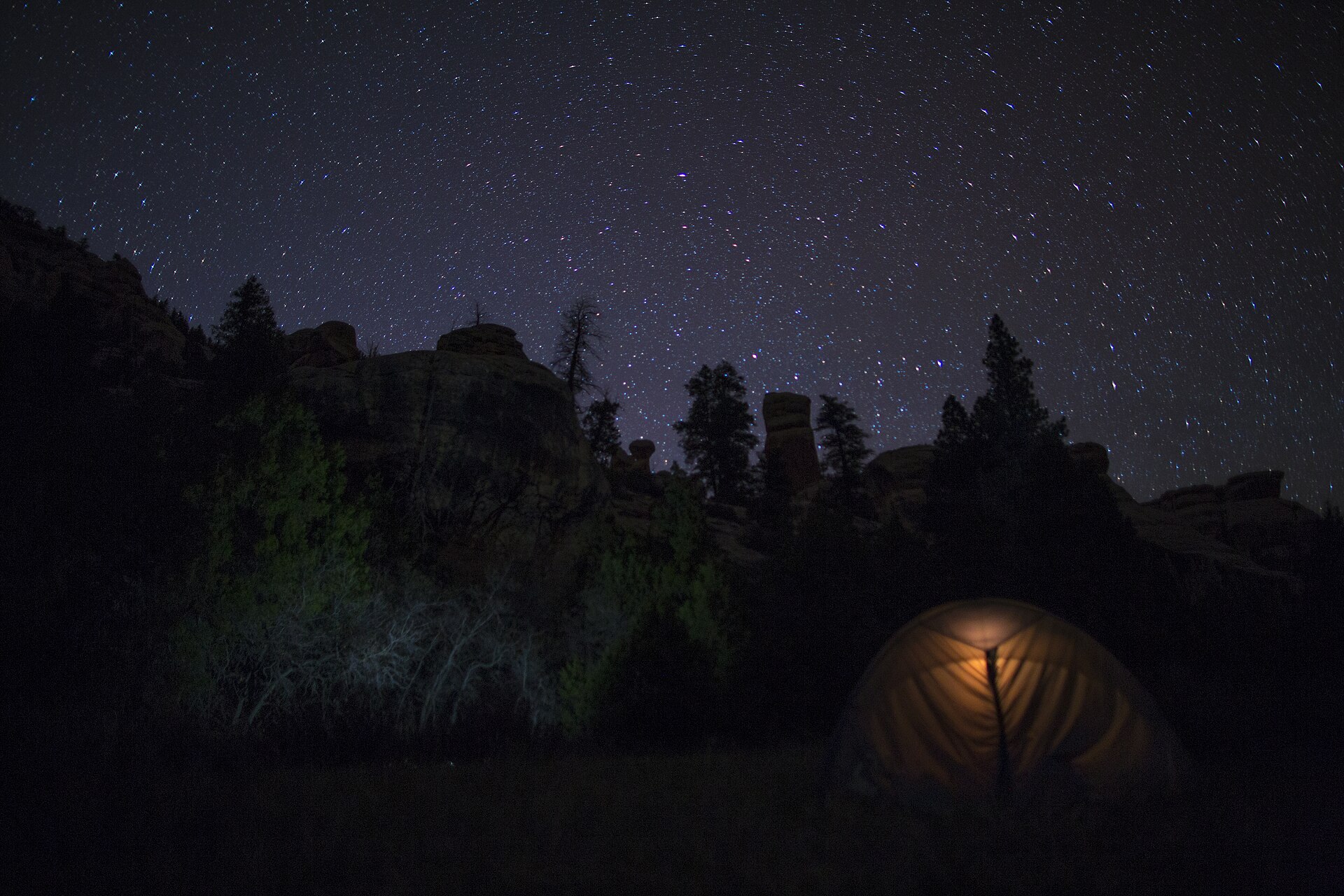
Over the years, what began as a weekend escape turned into a way of life. From the towering red walls of the Grand Canyon to the hidden gorges of Morocco, we followed the trails that led to wonder—and slept under skies that told a thousand stories.
Our Mission: To Inspire Wild Souls
We created this space for those who crave the raw beauty of the canyons and the freedom of the open trail. Whether you’re a seasoned backpacker or a curious traveler, our goal is to ignite your passion for outdoor exploration while giving you the tools to do it safely and meaningfully.
We believe that every canyon has a story, and every camper becomes part of it. That’s why we blend practical guidance with heartfelt narratives and expert insights from people who live and breathe the canyon life.
What You’ll Discover With Us
- In-depth guides to the world’s most stunning canyon hikes
- Tips on how to set up the perfect canyon-side campsite
- Gear reviews and packing lists tailored for rugged terrain
- Interviews with hikers, naturalists, and adventurers
- Personal stories of triumph, challenge, and awe under the stars
We don’t just write about the outdoors—we live it. Every article is crafted from real experiences, with dirt under our nails and stories fresh from the trail.
The People Behind the Stories
Our team is made up of trail-tested explorers, nature photographers, and weekend wanderers who share a common love for the wild places that inspire us. Some of us grew up exploring desert plateaus, while others found solace in canyon solitude later in life. What unites us is a desire to share the magic we’ve found so others can find it too.
We also collaborate with local guides, conservationists, and outdoor educators to ensure our content is not only inspiring but respectful and responsible.
Why Canyons?
Canyons are more than just landscapes—they’re living, breathing ecosystems carved by time and water. They challenge us physically and reward us spiritually. Camping among their walls teaches patience, resilience, and appreciation for the Earth’s hidden wonders.
For us, the canyon is a metaphor: life’s deepest beauty often lies in the places that require effort to reach. And once you’re there, the silence speaks volumes.
The Night the Wash Ran
One episode changed how we travel more than any other. It was late August, a few miles up a side canyon off the Escalante, and we had picked a camp on a pretty sandbar because the sand was soft and the cottonwood shade was perfect. The sky above us was clear. Around nine that night we heard what sounded like a freight train somewhere up-canyon, then a gust of cold air that smelled of wet dirt. Within ten minutes a chocolate-brown surge, knee-deep but fast and carrying whole branches, was pouring across the exact spot where we had cooked dinner an hour earlier.
We were lucky. We had moved the tent to a bench fifteen feet above the wash only because one of us wanted a flatter spot, not because we knew better. The storm that sent that water down had fallen thirty miles away on a plateau we could not see. That is the lesson we now repeat to anyone who will listen: the weather over your head is not the weather that matters. The drainage above you is.
Since that night we follow a few habits without exception:
- Camp high, always. We look for benches well above the high-water line, which you can read from stranded driftwood, mud lines on the walls and flattened grass.
- Check the whole drainage forecast, not just the local one, and from July through September we treat any “possible” flash-flood rating as a reason to stay out of narrows.
- Know the exits. Before dark we walk the nearest scramble to higher ground so we could find it by headlamp.
- Trust the signs: a sudden roar, a cold wind, water turning muddy or rising an inch, debris floating past. Any one of these means go up now, not after packing.
Learning to Carry Water Like Locals
Our first Grand Canyon trip taught us the other big desert lesson. We started down the South Kaibab at ten in the morning in June with two liters each, because that is what we used on forest trails back home. There is no water and almost no shade on that trail for seven miles, and the temperature climbs by twenty to thirty degrees Fahrenheit between the rim and the river. By Skeleton Point we were rationing. By the Tipoff we had gone quiet in the way people do when they are worried. A ranger at Bright Angel Campground that evening told us, kindly, that we were the third group that day to arrive dry.
Now we plan water by the hour rather than by the day. In real heat that means close to a liter per hour of walking, plus salty food to go with it, because drinking plain water all day without eating can make you as sick as not drinking at all. On out-and-back routes we cache a bottle or two at a landmark on the way in. We start walking before sunrise and are sitting in shade by late morning, and we do not move again until the walls throw shadow across the trail. It is slower. It is also the only way we have found to actually enjoy the inner canyon in summer.
We also learned to read the desert for water instead of assuming it is dry. Potholes in slickrock hold rain for days, seeps show up as a dark stain with a fringe of maidenhair fern, and a cottonwood is a good hint that the sand is wet a few feet down. None of that replaces a filter and a conservative plan, but it changes the way you look at the landscape.
Small Rituals That Stuck
A few habits from those years turned into something like ritual. We stop at every junction to eat, drink and look back the way we came, because a canyon looks completely different in reverse and that is how people get lost on the way out. We write the day’s plan and turnaround time on a scrap of paper and leave it on the dashboard at the trailhead. And on the last night of every trip we sit on the coldest rock we can find, well away from the stove and the headlamps, and wait for our eyes to adjust before anyone says a word about the stars.
None of this is glamorous. Most of what keeps a canyon trip safe and joyful is boring, repeated and slightly uncomfortable at the time. That, we have come to think, is the whole craft.
Join the Journey
We invite you to walk alongside us—through sandstone corridors, over dusty switchbacks, and into the heart of nature. Whether you’re planning your first canyon trip or reminiscing about your last, you’re part of our story now.
Let’s keep exploring, one canyon at a time.
