
The signal went at the top of the dirt road, before the trailhead, before I had even decided which side canyon I was walking into. I watched the bars drop from one to none and felt the small, familiar panic, and then the thing that comes after the panic if you let it. This is a story about two days of that, in a side canyon off Grand Gulch on Cedar Mesa in southeastern Utah, in late October.
Going in
Cedar Mesa is a high, juniper-covered plateau cut by a network of canyons that were home to Ancestral Puebloan people for centuries. The canyons are managed by the Bureau of Land Management as part of Bears Ears National Monument, and overnight trips need a permit with a per-person fee and a group size limit; day hikes need a pass too. Check the BLM website for the current system, because it has changed more than once. I had a two-night permit, a plan to walk down one of the tributaries to Grand Gulch and back, and a paper map I had marked in pencil.
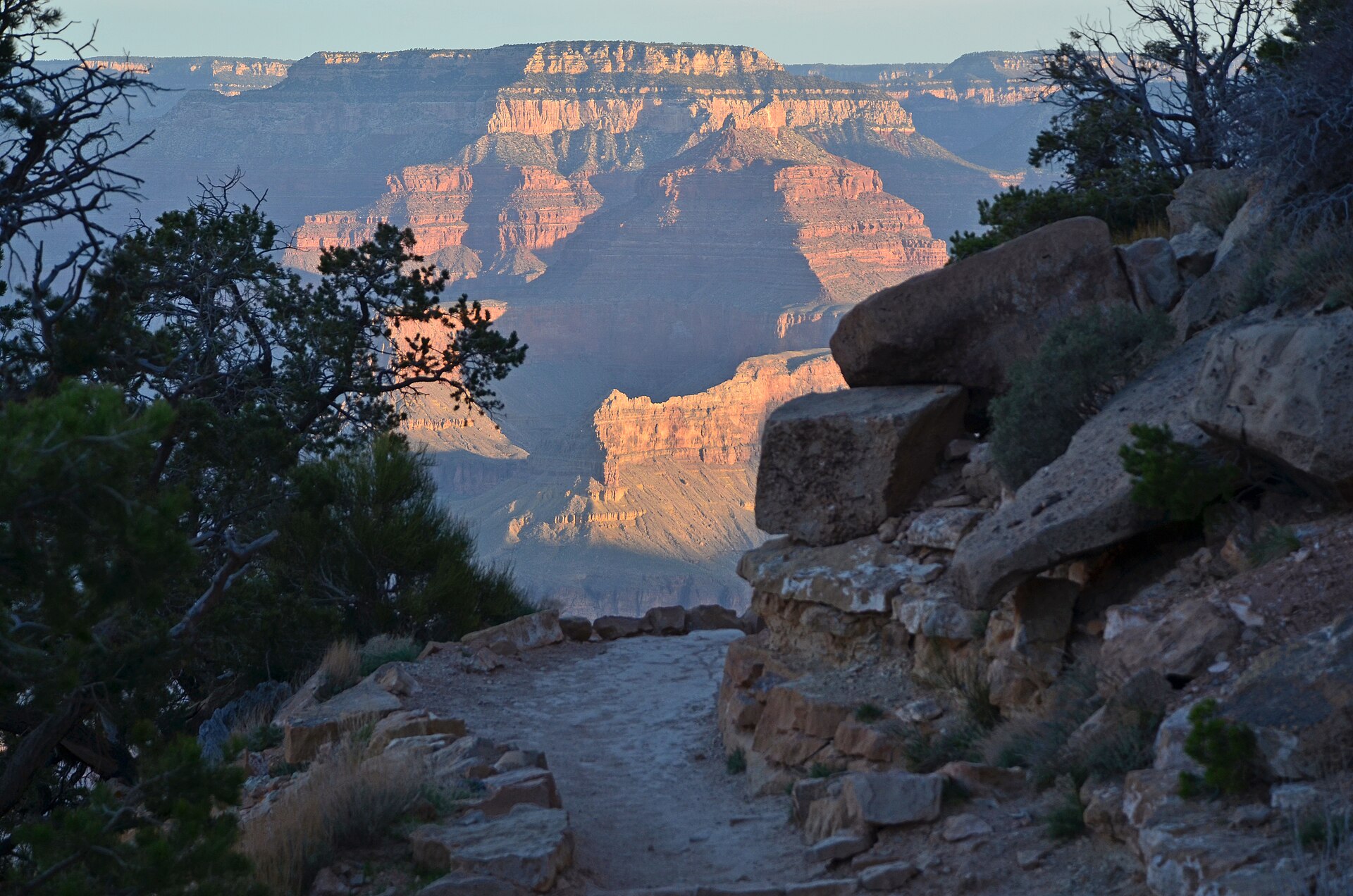
The first mile down from the rim was the usual Cedar Mesa welcome: a steep gully of ledges and loose rock, a scramble that made me glad the pack was light. Then the floor of the side canyon, sandy and quiet, with cottonwoods gone gold and the walls stepping back in tiers. I was alone from the trailhead on. I did not see another person for two days.
The first afternoon
What I noticed first was my hand. It kept going to my pocket. At every rest stop, at the first spring, at the first alcove with a line of stone rooms tucked under the overhang, I reached for the phone as if there were someone to tell. There was not. I took a photo, and then stopped taking photos, and then sat down on a boulder and looked at the rooms for a long time instead.
The ruins on Cedar Mesa are not museum pieces; they are somebody’s houses, eight hundred years old, and the rule is simple. Look from a distance, do not enter, do not touch the walls, do not pick anything up, do not stack rocks or leave your name. The BLM asks visitors not to publish locations, so I will not. I will say that sitting below an alcove in the late light with the canyon utterly silent, I understood for the first time why people came back to this place year after year and why they get quiet when you ask about it.
Camp was on a sand bench well above the wash, in a bend where the wall made a windbreak. Water came from a seep that filled a pothole slowly, brown with tannin and fine when filtered. I ate early, because there was nothing else to do, and then discovered that nothing else to do is a state that lasts a long time when the sun sets at six.
The night, and what the quiet does
I had brought a book and did not open it. I lay on the bench and watched the strip of sky go from blue to black to something with more stars in it than I had seen in a year. The canyon made small noises: a rock settling, a bird I could not name, the seep dripping. Without the phone, time stopped being a thing I checked and became a thing I felt. I had no idea what hour it was when I fell asleep. I had no idea when I woke, and I found, to my surprise, that I did not mind.
The second day I walked down to the main canyon and a little way along it, past more alcoves and a panel of handprints on the wall that stopped me cold, and turned around when the map said I should. I ate lunch in the shade with my boots off. I noticed that I was thinking in longer pieces than I do at home, following one idea to the end before another arrived. I noticed I was not planning anything. It was the most rested I have felt while walking twelve miles.
The practical side of being unreachable
None of this was careless. Before I left the rim I had done the things that make being out of contact a choice rather than a gamble.
- A written plan with a friend: trailhead, the canyon by name, the loop I intended, the date I would be out and the time after which to call the San Juan County sheriff. Not a text saying I was going hiking.
- Maps that did not need a signal: a paper topographic map in a bag, and the same area downloaded to the phone in airplane mode. The phone is a good map even when it is not a phone.
- A satellite messenger: a small one, which I used once each evening to send a preset all-well message with my location, and which carries an emergency button I have never pressed. They run from a couple of hundred dollars up, plus a subscription, and they are the single piece of gear that lets you be alone without asking anyone to worry.
- Battery discipline: airplane mode from the rim, screen dim, a small power bank. Two days used a third of the phone.
- A margin: an extra day of food and a permit that covered it. If the plan changed, the plan could change.
Coming out
The scramble up to the rim went faster than the scramble down, as it does. At the truck I put the phone on the dashboard and drove, and the signal came back somewhere near the pavement in a burst of messages, none of which mattered. I pulled over and read them anyway. Then I turned the phone off again for the rest of the drive, which I had never done before and now do most of the time.
Takeaways
- Make the disconnection deliberate. Leave a plan, carry a messenger, then turn the phone into a map and forget it.
- Give it more than one night. The first evening is restless. The second is the one you came for.
- Choose a canyon that rewards slowness. Cedar Mesa asks you to walk quietly and look up at the alcoves. A destination hike is a different kind of trip.
- Respect the archaeology completely. Look, do not touch, do not enter, do not share locations online.
- Carry the quiet home. You will lose it in a week. Plan the next trip before you do.
What I brought back
A sunburn, a filter full of tannin, and the memory of a strip of stars over a wall, which I can still see if I close my eyes. The canyon did not do anything special for me. It just declined to interrupt, for two days, and that turned out to be what I had needed.
