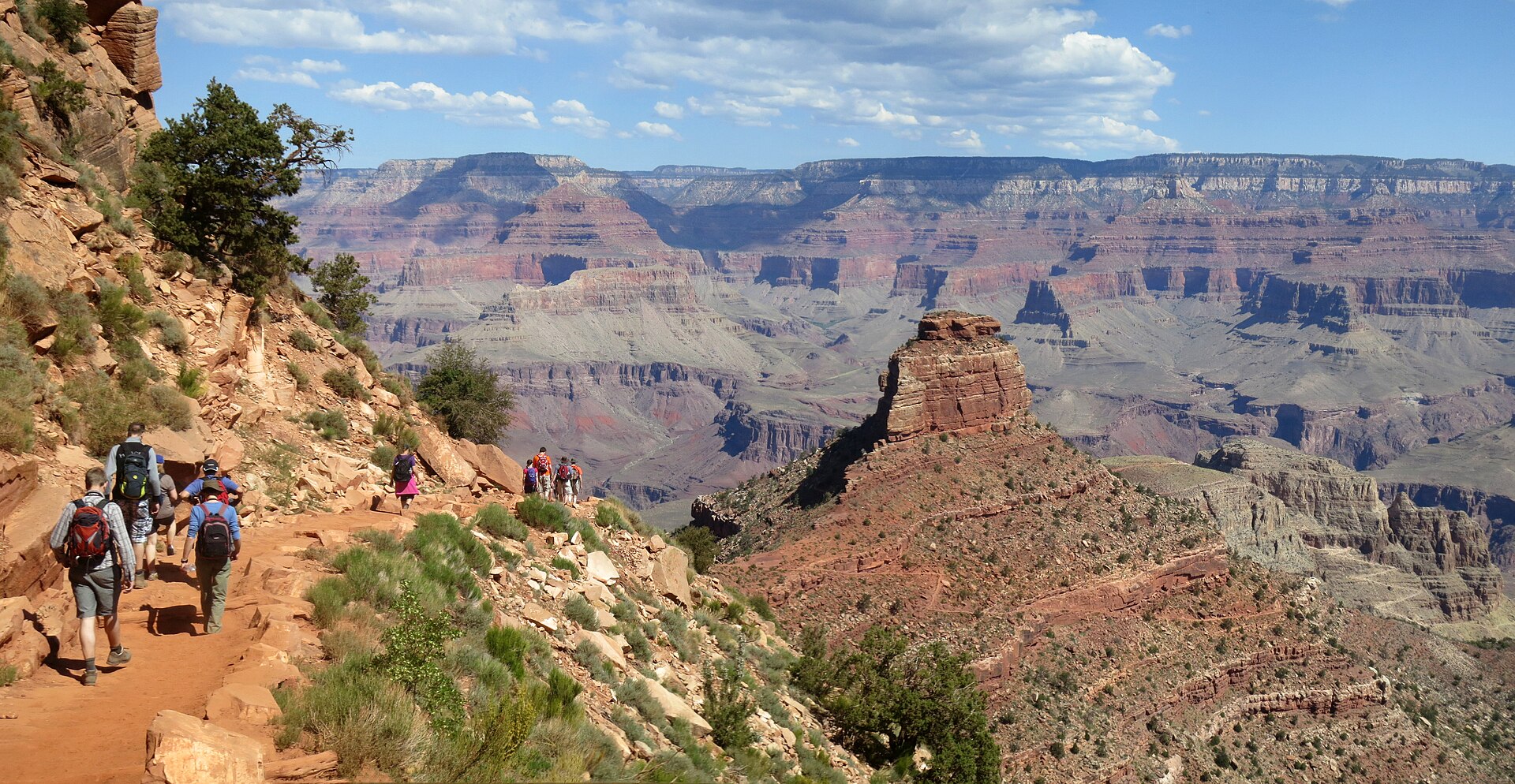

Why Remote Canyon Hikes Require Special Preparation
Unlike your average trail walk, remote canyon hikes plunge you deep into nature’s raw beauty—and its challenges. These regions are often isolated, rugged, and unpredictable. Proper preparation can mean the difference between an unforgettable adventure and a risky misstep.
Know the Terrain Before You Go
Every canyon is unique. From narrow slot canyons to vast desert expanses, understanding the specific environment you’re entering is crucial. Study topographic maps and satellite imagery. If possible, talk to hikers who’ve been there recently to get up-to-date insights.
Watch for These Hazards:
- Flash floods: Even a distant storm can trigger a sudden torrent.
- Unmarked paths: Many remote canyons lack clear signage.
- Loose rock and steep drops: Stability can change with the seasons.
Pack Smart, Pack Light
What you carry on a remote canyon hike can define your experience. You want to travel light, yet be fully equipped for survival, comfort, and navigation. Here’s a smart checklist to guide you.
Essential Gear:
- Hydration system (3+ liters per day, per person)
- Lightweight water filter or purification tablets
- Topographic map and compass—GPS is great, but batteries die
- Emergency communication device (like a satellite messenger)
- First-aid kit tailored to remote conditions
- Multi-tool or knife
- Headlamp with extra batteries
- Food for 1-2 extra days
Condition Your Body and Mind
Remote canyon hikes are physically demanding. Loose rock, uneven trails, and intense sun can wear you out quickly. Start training weeks in advance with cardio, strength, and balance exercises. But don’t forget the mental side—being alone in the wild requires focus and resilience.
Pro Tips:
- Practice with your gear before the trip—especially your pack and footwear
- Simulate long hikes on rough terrain to build endurance
- Develop basic navigation and survival skills
Safety First: Let Someone Know
Always inform a trusted contact of your itinerary. Include departure and return dates, planned route, and emergency procedures. In areas with no cell signal, a satellite communication device can be a lifesaver.
Respect the Wilderness
Remote canyons are precious and fragile ecosystems. Practice Leave No Trace principles: pack out all waste, stay on durable surfaces, and avoid disturbing wildlife. The more we care for these places, the longer they’ll remain wild and awe-inspiring.
Reading the Flash-Flood Picture, Not Just the Sky
A blue sky over the trailhead tells you almost nothing. The water that fills a slot canyon can come from a storm fifty miles away on a plateau you cannot see, and it can arrive an hour after the rain stopped. Before any narrows trip, look at three things: the forecast for the entire drainage upstream, the flash-flood potential rating that the weather service issues for canyon country (in southern Utah it runs from “not expected” through “possible” and “probable” to “expected”), and the season. From July to mid-September the monsoon builds afternoon storms almost daily, so plan narrows for the morning and be back on open ground by early afternoon.
Once inside, keep reading. Note the high-water line on the walls, the stranded logs wedged twenty feet up, and where the nearest ledge above that line is. In a place like Buckskin Gulch there are stretches of more than ten miles with no escape at all, which is why experienced hikers simply do not enter it when the rating is anything but low. A sudden cold wind, a roar that does not fade, a stream turning muddy or rising an inch, sticks and foam arriving before the water: any one of these means climb immediately, leaving the pack if you have to.
Water Planning by the Numbers
The three-liters-per-day figure in most checklists is a floor for mild weather. On a hot desert day a walking adult loses close to a liter an hour, and the rule most canyon guides use is one liter per hour of movement in temperatures above ninety degrees Fahrenheit, plus salty food to replace what you sweat out. Drinking large amounts of plain water without eating can dilute your blood sodium and make you as sick as dehydration, with confusion and nausea that look almost identical. Eat every time you drink.
Plan sources, not just totals. On an out-and-back, cache sealed bottles at a landmark on the way in and mark them on your map. Learn where the perennial water actually is: springs on older maps are often dry, while slickrock potholes hold rain for days after a storm and seeps show as a dark stain with ferns beneath it. Silty water from a river like the Paria clogs filters fast; let it settle in a wide pot for an hour, pour off the clearer top, then filter. Carry a chemical backup in case the filter cracks.
A rough budget for a long hot day looks like this:
- Pre-dawn to mid-morning: two to three liters while moving in the cool hours
- Midday: in shade, sipping, a liter or so plus real food
- Late afternoon to camp: two to three liters again, and a reserve you never touch
Mistakes We See Over and Over
The most common one is the schedule. People plan a remote canyon day the way they plan a city day, with a finish time, when the only number that matters is the turnaround time. Set it before you leave camp, write it down, and stick to it even when the good part is around the next bend. The second is trusting a phone track: a GPS line drawn by someone else does not know that a rockfall closed a bypass last spring or that the pour-off is now twelve feet instead of six. The third is footwear chosen for the drive rather than the canyon; wet sandstone and mud on a slope are as slick as ice, and most of the injuries we hear about are simple falls on ordinary ground.
Finally, there is the permit problem. Many of the best remote canyons now require permits, some by lottery months in advance, others self-issued at a trailhead register, and a few have day-use quotas that change with the season. Rules differ by agency and change often, so check the park or monument website before you commit to dates, and carry the confirmation on paper. Rangers do meet people at trailheads, and being turned around after a ten-hour drive is a poor start to any trip.
Final Thoughts
Venturing into remote canyon landscapes is a deeply rewarding experience—one that connects you with nature in its most untamed form. With the right preparation, a healthy respect for the environment, and a spirit of adventure, you’ll be ready to explore the canyons with confidence and wonder.
Read next: Grand Canyon Hikes: How to Match a Trail to Your Level
